Herbs and Cysts: Traditional Uses, Personal Experience, and Cautions
Poke Root, Castor Oil, and Other Herbs for Cysts
“How do I use poke root and castor oil for a cyst?” and “What are the risks of using poke root on the skin?” I get these questions often. Here is what I have learned about cysts from my training and experience, research from reputable herbalists and the naturopath I work with, who is also a licensed MD. I’ll cover different kinds of cysts, how herbalists have used poke root and castor oil, other herbal approaches worth researching, and precautions to take.
It’s very tempting to slather and overuse poke root and castor oil, especially when it starts working without any noticeable side effects. I have seen a poke root product promoted for daily use over the whole body, which concerns me. The commercialization of an herb can push usage in the opposite direction from traditional herbal practice. At the other extreme, online summaries can leave the impression that every external use is equally dangerous and that herbal approaches have nothing to offer for cyst removal. I want to share my experience without glossing over the risks. Somewhere in the middle is where the truth lies.
I’m not a clinical herbalist, but I have been studying health since 1986 and folk herbalism since 2008. I consider myself a home herbalist and I’ve been using and selling poke root salves and oils for about 15 years. It was recommended to me by some of the most reputable clinical herbalists in North America. This article reflects my current understanding. If you spot an error or have experience to add, please share and I’ll keep this article updated with my current understanding.
A note on safety
Disclaimer: Do your own research. This post is for educational and informational purposes only and is not intended as medical advice or as a substitute for individualized care. Poke root (Phytolacca americana) is a potent plant and can be toxic when used improperly. Do your own research and/or consult a qualified healthcare practitioner, naturopath, or experienced herbal professional before using poke. Individual circumstances vary, and you are responsible for making informed decisions about your own health and herbal practices.
Poke root is a powerful herbal ally. In most of the feedback I’ve received in the 15 years I’ve been selling it, it has been safe and quickly effective. Three people have reported a mild rash at the application site. Not all cysts are the same, not all constitutions are the same, and there is more you can do than apply herbs topically.
THE SHORT VERSION
Each of these topics and additional ones are flushed out in much more detail below this section
Before putting a salve on a cyst, let's look at the whole picture. Here is a summary of the internal and external approaches discussed in detail below. Assess any new, persistent, changing, or concerning lump before assuming it is a cyst. The movement of a lump cannot reliably rule out malignancy.
Skin Patch Test, Self Testing & Supporting your body’s elimination process:
Try a new topical product on a small area of skin first and wait 24 hours. If a rash develops, stop using it.
You can use a “sway test” to see whether a product would be helpful for you. I use this method before starting any new herbal product. How to do this is outlined later in this post.
If you have kidney or lymphatic problems, work on supporting those systems first. I did 6 months of intermittent fasting and lymphatic support before tackling an old, large, calcified cyst. Brothy soups and intermittent fasting lighten the load on the lymphatic system and ease digestive strain.
Burdock Root (Arctium minus):
Burdock root can help support your liver, helps the lymphatic system, helps remove metabolic byproducts, and more. This is a very tasty root and can be eaten after cooking, or made into an infusion or extract. I love cutting it into slivers, coating in olive oil and spices, then roasting. It’s also great sautéed and made into a soup. Add some dark leafy greens for a nutrient-rich soup.
Poke Root (Phytolacca americana):
Poke root, especially combined with or infused into castor oil, is a powerful lymphatic tonic and is traditionally used to help with cysts. However, you can overdo it with both of those ingredients. Knowledgeable herbalists say to use poke root for 2-6 weeks and take a break for the same amount of time. Other herbalists say if it’s external, that much precaution isn’t necessary. I’ve never found that much precaution necessary for light, external application for regular cysts or lipomas. But if you overdo it, you can get severe abdominal cramps and/ or diarrhea that can last for several days. If you have these symptoms, stop for a few weeks, and when you start back up, self-test and then try a reduced dose. Three people in 15 years have reported a mild rash or heat at the application site. Do not use poke if you are pregnant or nursing.
Poke Root Tincture:
I’ve never personally used poke root tincture, but several clinical herbalists recommend it. See the details section below for more info.
Cleavers extract (Galium aparine):
Cleavers is helpful when there are multiple cysts. Matthew Wood writes that it “removes stagnation from the lymphatics and acts on gravely problems from clogged filtering in the kidneys…and promotes transportation within the hidden waterways of the body.”
Motherwort extract (Leonurus cardiaca):
Some cysts are associated with hormone imbalances. Motherwort helps indirectly with balancing hormones, as a digestive bitter, and helps the body assimilate fats more efficiently.
Red clover (Trifolium pratense):
Herbalists use red clover for single, encysted glands. Read the cautions below about overdoing it. The amounts quoted by herbalists vary widely: some recommend three drops of extract three times a day, others 20 to 30 drops three times a day, and others one to two quarts of infusion a week. Overconsumption has been linked in herbal literature to red blood cell breakdown and hemorrhage.
Caffeine, regularity, energy, and focus:
Some herbalists advise avoiding coffee, tea, and chocolate when dealing with breast cysts. I also discuss skullcap for regularity and lion’s mane and cordyceps for focus and energy below.
Liquids:
To really help your lymphatic system drink plenty of water. At least a quart a day of pure water and a quart of rich herbal infusions. You can overdo it on water too so please see the "Preparing your body” section below.
Vitamin E:
Vitamin E is sometimes used for breast pain associated with cysts. Check the cautions in the detailed section below. D-Alpha-Tocopherol is derived from natural sources, whereas DL-Alpha-Tocopherol is manufactured using a petrochemical process, is roughly half as effective as the natural form, and is filtered out by the liver and excreted rapidly.
Castor Packs:
With or without Poke root, castor packs are powerful. If you don’t have access to poke root, castor packs alone can help with cysts. You can also apply a layer of poke root castor salve and then place a castor pack on top of that. I always put the strips of cloth in a glass food storage container and set that in a bowl of warm water to warm the oil and cloth, but I just learned that some people gently warm the oil by putting it in the oven.
Where to buy Poke Root products:
While I’m not the only herbalist to sell poke root castor salve, I’m one of the few who is also an organic grower. What sets our product apart from many of the others isn’t just that I grow it myself beyond organically. We clean the wax ourselves without overheating it or overprocessing it, and I fill my salve to the very top of the tins. We put quality first and take great care even in how we wash the roots; they never soak!
I have one of the most affordable salves on the market, offer free shipping in the United States, and, if you pay the shipping, I can ship around the world. We can pre-calculate the VAT and customs taxes and have them pre-paid so you don’t have to struggle with the delays of getting the package through customs.
THE DEEP DIVE
There is much to learn about cysts and the approaches people use. This is not a comprehensive list, and I am not suggesting that you take all these herbs at once. A practitioner can help you consider which, if any, fit your circumstances. If you are researching on your own, use the following sections as starting points.
PREPARING YOUR BODY
If you have an old or large cyst and are planning to use herbs or techniques to shrink or soften it, think about your liver, lymphatic system, and kidneys first. To prepare, it’s good to support our bodies’ natural mechanisms to heal and recover. If you have a small cyst, just make sure you drink extra water while using poke salve.
Get your foundation of elimination in the best place possible. When I was preparing to work on the largest and oldest cyst I have, I started my morning with the juice of half an organic lemon in water and a splash of herbal vinegar. In the 2nd glass of water I steep the lemon peel in hot water for 5 minutes. This worked great until I started actually working on the cyst.
For those with MCS/ MCAS: note that in my own experience, 99% of the cysts have gone away without incident. However, an old big one I’ve been working on, that I believe ruptured when I over did it, triggered a histamine response. This was possibly due to the release of inflammatory mediators from mast cells during the rupture. A ruptured cyst might act as an inflammatory or mechanical trigger in someone prone to mast-cell activation.
After I over did it and ruptured this large, old cyst, I had to stop consuming citrus fruit as it was causing a histamine response. Citrus contains organic acids and compounds that prompt your mast cells to release their stored histamine directly into your gut and bloodstream. When you are already experiencing a flare-up, your "histamine bucket" is already full, and eating citrus can push your body into an acute symptomatic reaction. I include this tidbit so that readers with MCAS think carefully about their own triggers.
Many prominent herbalists recommend at least a quart of pure water and a quart of nourishing herbal infusions daily. Some herbalists view hydration through the lens of cellular assimilation and mineral density. They argue that plain water can sometimes pass straight through the body without fully hydrating the tissues if it lacks essential electrolytes and trace minerals. For electrolytes, I like to make switchels (aka field drinks) for my health and for some variety in my daily drinks.
Here is a nice post on nourishing infusions and other strong bones recipes.
Western herbalism, Ayurveda, and Traditional Chinese Medicine do not all prescribe one universal daily amount of water. Many practitioners within these traditions prefer water that is tepid or warm and advise sipping throughout the day. Some traditions say only drink when thirsty, but I think modern man’s signals are so numb because of our lifestyle and stress that we don’t know when we are truly thirsty, or we confuse it for hunger. On the other hand, drinking a ton of water can drown out your digestive fire and strain kidney function.
Some Chinese medicine practitioners say to drink at least 6 cups of water before 3pm and after that, only when thirsty.
2. PATCH AND SWAY TESTS
In 15 years, three people have told me that the salve caused mild irritation or uncomfortable warmth where they applied it. That is one reason I recommend a small patch test before wider topical use. Rub a bit on your wrist and wait 24 hours to see if the area gets irritated. If so, then you are too sensitive for that product.
Lady Barbara Telesco Hall, who passed away in 2013, taught me the sway test method. Here is a summary:
The Setup: Stand up straight with your feet comfortably planted shoulder-width apart. Keep your knees slightly relaxed (not locked) and your hands loosely at your sides. Take a deep breath to ground yourself.
The Calibration Test: Before testing an unknown item, state a clear, known truth to calibrate your body (e.g., "My name is [your name]"). Wait a few seconds without consciously moving. See “yes” response below.
Running the Item: Hold the item you want to use and slowly pass or run it down the front midline of your torso, and pass it all the way to your belly.
Leaning Forward (The "Yes" Response): When the statement is true, or when the item is physically beneficial to your nervous system, your body will naturally and subtly sway or lean forward onto the balls of your feet. Your body is instinctively drawn to what is life-giving.
Leaning Backward (The "No" Response): When you state a lie (e.g., a false name), or if your body rejects the item you are holding, you will organically sway or tilt backward onto your heels. This is the body's natural reflex to retreat from something unhelpful.
For external applications: I’ve tried a new system where I announce, “this is for topical use only for this area”, place the item over the area for topical application, then do the sway test.
3. POKE ROOT TRADITIONS AND PRECAUTIONS
Phytolacca americana, (homeopaths call it Phytolacca decandra), is native to eastern North America. Herbalists have traditionally used it for cysts, especially dense breasts tissue. I’ve seen it do some amazing things. A topical application of poke root castor salve has removed fatty lipoma that was scheduled for surgery in 3 days and the Dr was blown away. Not just for cysts, people have used it for cystic acne, bags under their eyes, arthritis, as a lymphatic mover and more.
There has been a lot written about how toxic poke root is, but the difference between poison and medicine can be dosage and preparation. Poke is the primary plant that I work with here on my farm and I “grow” it by just letting it be and keeping the soil beyond organic. We have a saying here “the Queen grows where she wants”, and she generally wants to grow in the garden. I enjoy the smell of the roots and their beautiful pink tinge “tree rings”. We dig the roots in the fall after the first frost when the tops have died back. We cut off the younger side roots and the root tip, and replant the woody crown so the Queen can continue living. She does just fine with this system as long as she’s hand watered for a bit after being replanted and gets extra water if there is a heat wave or drought.
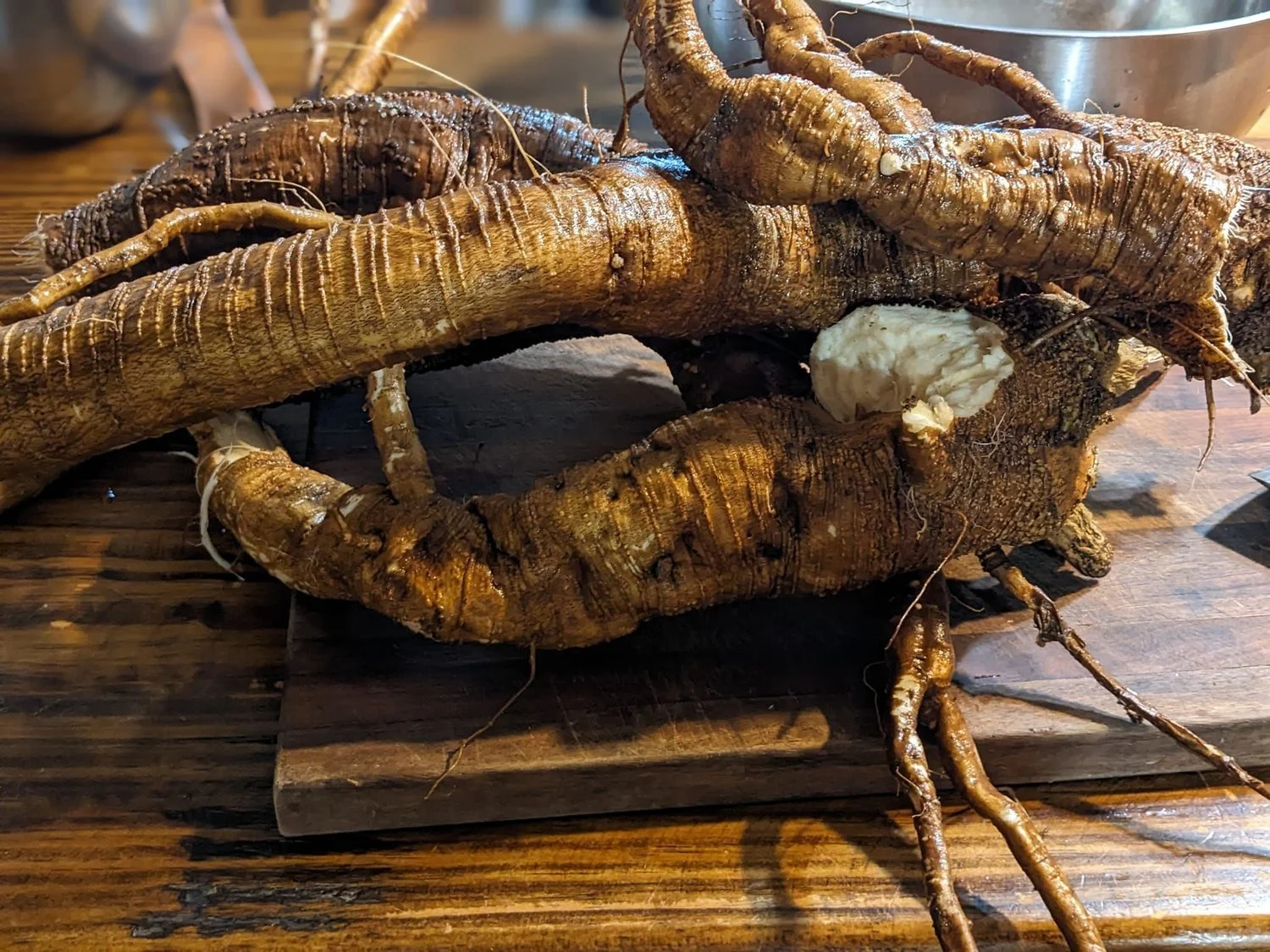
Poke root in the Missouri Herbs kitchen
How long to use poke root infused oil: Some herbalists recommend only using it for 2-6 weeks at a time with a break of equal length. Poke is safe when used with precaution. Overuse can cause severe abdominal cramps and/ or diarrhea that can last for several days. So be a “slow poker-er”. I over did it because after 15 years of rather frequent use with zero side effects, I had forgotten how powerful she was. You can read about my story at the end. Give your body time to process what you are dissolving and don’t overload your system with the active constituents found in poke root.
Do not use poke while pregnant or nursing. I would not apply it to an animal that might lick it. If you develop nausea or other symptoms, stop using it. Though I’ve personally tested my limits with poke root, I can attest that for me and hundreds of happy customers, this stuff does work!
What herbalists have written about poke root
Materia Medica
“Actions and Uses: Resolves cysts, lumps, and some in situ breast cancers; stimulates immune system; counters infection (especially in pneumonia); protects lungs; relieves lymph congestion; antiviral; antiseptic; anti-tumor; anti-cancer.” ~ Susun Weed “Breast Cancer? Breast Health!”
Susun goes on to say, “it reliably resolves cysts, growths, infections, and swellings.” She has used a low dose of poke root as needed for almost 40 years with highly favorable results.
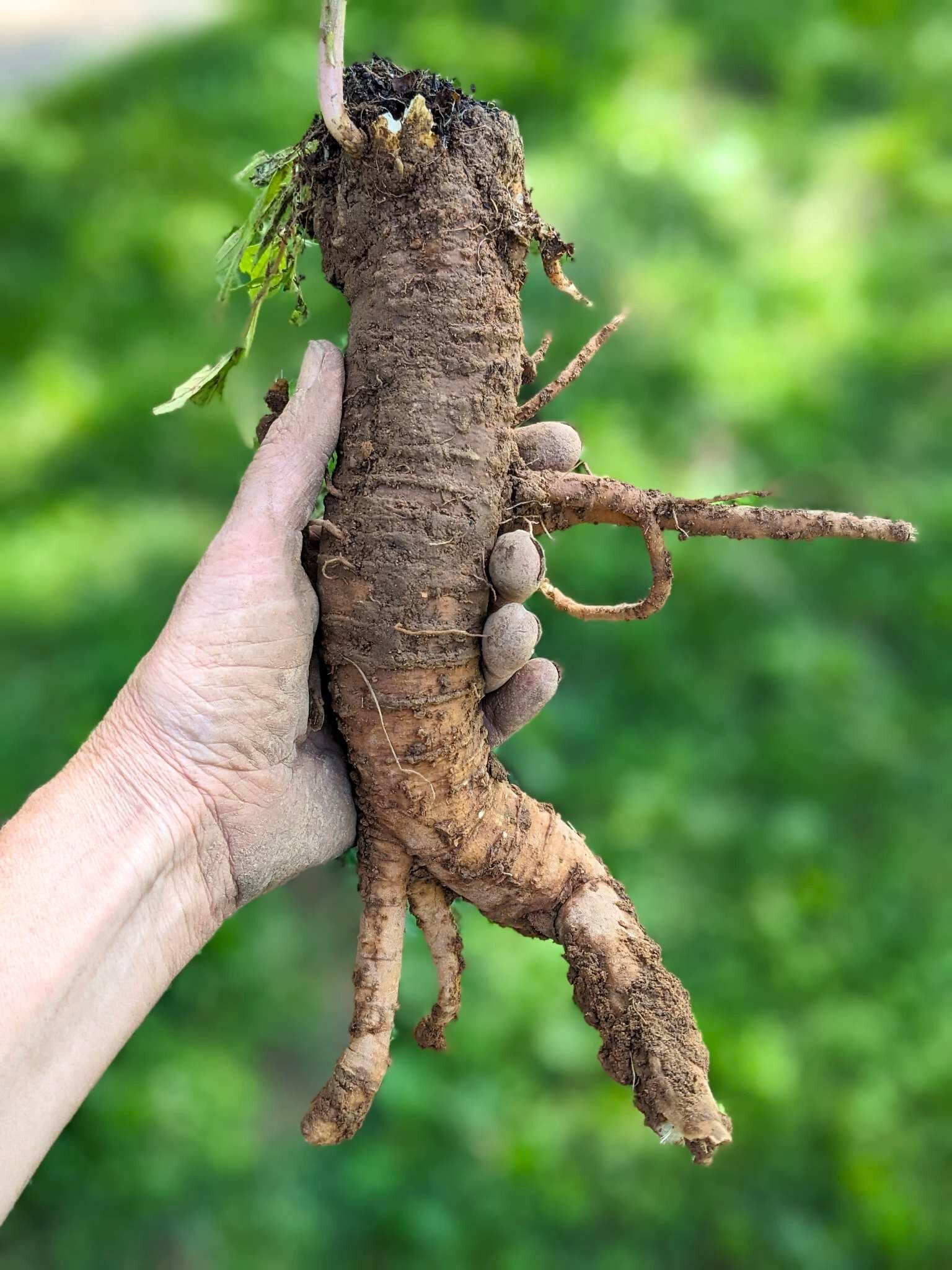
Poke root freshly dug from our garden.
“Traditionally, the root has been used to move the lymph fluid through the lymph vessels, to encourage lymphatic function, to clean the blood, for its antiviral properties, to eliminate swollen lymph nodes, and as a stimulant to the immune system. Topically, it can also be used for mastitis, for common warts, and for swollen glands around the thyroid associated with hypothyroidism. I also find it to be a great topical salve to use on the throat for strep throat. When combined with anti-microbial herbs such as propolis and immune-stimulating herbs such as southern prickly ash, I find it to be the right defense for most viruses and bacteria that can attack the system.” ~ Lindsay Kolasa
“Poke root is a lymphatic cleanser and is used for swollen glands, tonsillitis, mumps, and strep throat. It is applied as an oil (poke oil) to sore breasts or swollen lymph nodes. Poke root is traditionally used in Chinese medicine for water retention, sore throat, and abscesses.” ~ Christopher Hobbs, PhD fourth-generation herbalist, botanist, mycologist, and licensed acupuncturist. With a PhD from UC Berkeley, he has spent over 35 years practicing natural medicine.
Dr. Roger Morrison referenced Dr. James Tyler Kent, explaining and summarizing the clinical scope of the poke root remedy: “Most of the symptoms in the remedy are in the glands themselves — especially breast, parotids and tonsils." ~ from the Desktop Guide to Keynotes and Confirmatory Symptoms
“It (poke root) has the ability to delay the formation of malignant growths, especially in the breast; glandular tumors that become hard and scirrhous…Pains: Old gout and rheumatism of the limbs; in acute rheumatism which is prolonged, worse at night, worse from the warmth of the bed, worse from warm applications.” ~ James Tyler Kent, A.M, MD., Late Professor of Materia Medica in Hering College, Chicago.
Keep in mind if you read the link above for James Kent, Mercury didn’t mean Mercury like we know today. They were often referring to a grand philosophical concept, not just the toxic liquid metal we know today. To them, it was a fundamental, universal essence that existed inside all physical things and represented liquidity, volatility, change, and the invisible vital force that connects the soul to the body. Doctors of old believed health was a balance of three primal forces, "Sophic" (Philosophical) Mercury being one of them. Also, sadly, they did sometimes prescribe Mercury to their patients, which was referred to as “mundane” or common Mercury.
Dr. Kent also said, “The inflammation of the mammary gland is peculiar. The breast becomes stony hard, heavy, and painful. It is useful in those cases where the breast has been inflamed and healed, leaving hard spots, nodules, and lumps that look as if they would become cancerous. If a patient comes to you with a history of mammary abscesses, and you find the breast full of hard, cicatricial nodules, Phytolacca (poke) will dissolve them."
Indigenous peoples of North America used poke roots and berries medicinally. Accounts describe Cherokee poke berry preparations for arthritis and rheumatism and Delaware root preparations for glandular swellings and chronic sores, and as a blood purifier. One source traces the word “poke” to the Virginia Algonquian pakon/pucone, recorded in English by 1708.
Poke root safety and historical accounts
“Long before poke entered the American materia medica, Indigenous peoples of North America were using the plant medicinally.” ~ Jacob Bigelow's American Medical Botany 1817. Bigelow described a physician who took 20 grains of powdered poke, thought it was acting too slowly, then took another 20 grains within an hour. At roughly 64.8 mg per grain, that is about 2,592 mg in total. Bigelow reported prolonged vomiting, severe purging, and intestinal inflammation; the man took about a week to recover. Bigelow also mentioned effects on vision in other accounts. See page 192 of the linked historical text.
Some knowledgeable herbalists also recommend poke root tincture. Isla Burgess, founder of the Waikato School of Herbal Studies in New Zealand, uses the internal lymphatic-stimulating poke root tincture and increases the dose by 1-2 drops daily until a response occurs, such as a sensation of heat, soreness, tingling, or queasiness. She says to stay on that dose for a week and help the internal work with external support like ginger or cabbage leaf compresses.
Readers and historical accounts
I’ve gotten hundreds of 5 star reviews on this product and you can see more testimonials here.
Here is one of my favorites: "Your Poke Root Salve is amazing! I have a skin condition called hidradenitis suppurativa. It is a very painful and disfiguring condition. Doctors don't have a cure, just pills, poisons, and surgeries I can't afford. My mom brought me some of your Poke root salve to try after it helped my dad with his HS. I am so glad she did. It's the ONLY thing I treat my HS with now. When a sore starts popping up I apply the salve. I get immediate pain relief and In three days it's open and drains completely. It can take a couple weeks for a big one to completely heal but it heals instead of just draining and hurting all the time for months to years. I cannot go back to life without it. Nothing can ever happen to you because I really CAN NOT go back to the way things were. It was no good going through life without help or a cure. At least now I can treat it and win the battles. Thank you for your healing salve. With much love for your Butterfly Medicine ~ Tracy Smith”
“I am 80, and I remember my mom telling me that back when they were children, scabies was pretty common. Their parents would boil pokeroot in water and wash them in the cooled liquid. It would eliminate the condition.” ~ George Jeter
“I am very allergic to poisonous plants such as poison oak and poison ivy. When I was a teenager I got into some poison oak and was just covered with red, swollen lesions. After several days of torment even a trip to the doctor and a shot didn't give relief. My grandfather, who was a Cherokee medicine man lived some distance from us and he was quite elderly. But, at length my mom told him of my plight and my dad went and collected him so that he could come see about me. He made a salve for me from poke root that instantly took away the pain and itch and within a couple of days I was completely back to normal. The way he made it was: he prayerfully, gratefully dug out a small part of a poke root which grew in our back yard. He then washed the piece, cut it into thin slices and lightly browned them slowly over low heat in oil. Then, he drained off the oil into a dish and threw away the slices of cooked root. The oil cooled and became a salve for my lesions and rash. It was amazing how quickly it took away the itching and pain, and as I said, it was only a couple of days and I was all well again. “ ~ Elizabeth Bluehorse
“I take about 5 to 10 drops this poke root tincture I bought on line so I'm sure it's low dose, but I will tell you my teeth feel better, my gallbladder feels so much better, for some reason, I get kind of a euphoria and relaxed sensation when I take it. My whole nasal congestion in my head clears and drains. I feel my neck and shoulders relax and it makes me want to take a good rest. I've had a lot of problems with heavy legs and my legs feel better, less hard, I have massive fibroids in my uterus and it helps with the swelling. I love it.” ~ S.R.M.M.
Interesting tidbit, It’s been rumored that Thomas Jefferson used poke berry ink to write the original US Constitution (on hemp paper)
4. TYPES OF CYSTS
Common skin and surface cysts
Epidermoid Cysts: Small, noncancerous bumps filled with a protein called keratin that form under the skin when hair follicles become blocked.
Sebaceous cysts: are filled with sebum and are less common than epidermoid cysts. They often form within sebaceous glands, which are part of your skin and hair follicles. Sebaceous glands make oil for your skin and hair.
Breast Cysts: Benign cysts can develop when fluid collects near your breast glands. They can cause pain or tenderness in the affected area. While breast cysts are noncancerous, there are many possible other more serious causes for a lump in your breast.
Pilar Cysts: Firm bumps that develop from hair follicles and most commonly appear on the scalp.
Ganglion Cysts: Fluid-filled swellings that form along tendons or joints, usually on the wrists or hands.
Baker's Cysts: Fluid-filled lumps that cause a bulge and tightness behind the knee.
Pilonidal Cysts: Painful cysts that form in the upper crease of the buttocks, often involving trapped hair and debris.
Bartholin’s cysts: Swellings that develop when a duct near the vaginal opening becomes blocked.
Internal cysts
Ovarian cysts: Fluid-filled sacs on the ovaries. Many form during ovulation and resolve without treatment.
Kidney (Renal) Cysts: Pouch-like sacs containing fluid that develop in or on the kidneys, often simple and benign.
Breast cysts: Fluid-filled lumps in breast tissue that may change size during the menstrual cycle.
Pancreatic cysts: Fluid-filled sacs in or on the pancreas. Some require monitoring.
Treating fatty lipomas and skin or surface cysts are going to be easier to treat with a combination of internal and external protocols. Internal cysts may benefit from internal protocols and external application of castor packs. Breast cysts greatly benefit from internal and external application of herbal protocols and poke root has an affinity for breast cysts.
Traditional Chinese medicine believes that cysts can be caused by poor liver function. Hormonal imbalances are a leading cause of certain types of cysts, specifically those that develop in the reproductive system and the breasts. An imbalance where estrogen levels are too high relative to progesterone can cause fluid accumulation in the breast glands. This is why breast cysts frequently change in size, tenderly swell, or become painful right before a menstrual period begins.
A "fatty cyst" is usually a lipoma, which is a solid, slow-growing, non-cancerous rubbery mass of stored fat cells located just beneath the skin. It does not have an opening nor does it drain fluids. It isn’t cancer and is typically harmless. People often use the term interchangeably with a cyst, but a true cyst is an enclosed distinct sac filled with keratin, fluid or pus.
Cysts are almost always benign. Lumps can be alarming, but cysts are not tumors. “Typically a benign cyst does not become cancerous. If you have a benign cyst in your body, the chances of it becoming a cancerous cyst are incredibly low. Tumors are typically fixed in place and do not move easily, unlike cysts which often move slightly under the skin when pressed. This immobility is because tumors are usually connected to underlying tissues, making them feel anchored or attached. However, the ability of a lump to move is not a definitive indicator of whether it is benign or malignant.”
If a cyst becomes infected or ruptures, surrounding inflammation can tether it down, making it feel firm and fixed rather than movable.
A calcified cyst is a fluid- or keratin-filled sac in the body where calcium deposits have built up in the wall or inner contents. This hardening process usually happens due to past inflammation, tissue injury, or the natural aging of a benign cyst.
Dr. Google and AI will tell you that you can not use topical or internal herbal protocols like Poke root to resolve a cyst or lipoma. However, thousands of people for generations in addition to some of the most knowledgeable herbalists in the world would say otherwise.
5. OTHER HERBS AND APPROACHES
What herbalists think about dosage
Extract dosage: Herbalists do not all use the same amounts. Matthew Wood often recommends one to five drops of a tincture, while others use 30 drops or a quarter teaspoon. I have used different approaches in different circumstances. These amounts are examples of differing traditions, not a dosing plan for every herb.
Wood practices what's known as vitalist herbalism, which looks at the body as an intelligent, self-healing system. From his perspective, you don't need to blast the body with a heavy dose. Instead, those few tiny drops act like a gentle nudge or a reminder, triggering the body’s own "vital force" to step in and fix the issue.
He also teaches that overloading the body with the larger doses can backfire, causing unwanted side effects or making the system lock up in defense. For instance, if you take too much of a contracting herb, it might just create rigid tension, but a tiny drop dose can smoothly restore the right balance. Ultimately, his drop-dosing method is all about a "low and slow" approach that respects the body’s natural boundaries.
Meet with a Naturopath or Clinical Herbalist: I met with my naturopath who I’ve worked with for years, and she also put me on other herbs and supplements that I haven’t outlined here because I also have MCS/ MCAS. If at all possible, it is important to work with a naturopath so they can take all your symptoms as a whole and treat them holistically. Sometimes there is an emotional, hormonal, digestive, lymphatic or other issue that needs to be dealt with first or concurrently. Using herbs and nutrition for health is more than “take this for that”, you have to look at the organism as a whole. If you would like a recommendation, please see my page “Herbalists & Healers I trust”.
Castor oil packs
Castor packs have helped me and thousands of people tremendously with cysts and body pain. Castor oil penetrates deeply and pairs well with heat from a hot water bottle. If you are dealing with an old cyst, go slowly and use the packs 20 min a day 3 times a week. I overdid it with the castor packs on an old cyst, and it overwhelmed my system. Though in the past for other issues like back pain and swelling from a copperhead snake bite, I’ve gone to sleep with a castor pack on with no problems. Instructions are about half way down in this link.
While some clinical sites say that there is no evidence that castor oil penetrates deeply or helps with pain, breaks down lipedema fat, shrinks nodules, or alters the structure of diseased tissue, thousands of people over the generations would say otherwise. My customers, teachers, friends, family, classmates, and I have found castor oil extremely beneficial, and it works well for pain and shrinking and softening cysts.
Red clover (Trifolium pratense)
Red clover started me on this recent path to remove an old largest cyst and is one of the powerhouse herbs when you are dealing with cysts. In her book Creating Your Herbal Profile, Naturopath Dorothy Hall shows that Red Clover has a special affinity for encysted glands. You can overdo it with Red Clover also though.
The body can encysts or calcify around a swelling in order to isolate toxic materials, although modern research you find online claims that’s not true. I believe it is just based on my own experience with a ruptured cyst.
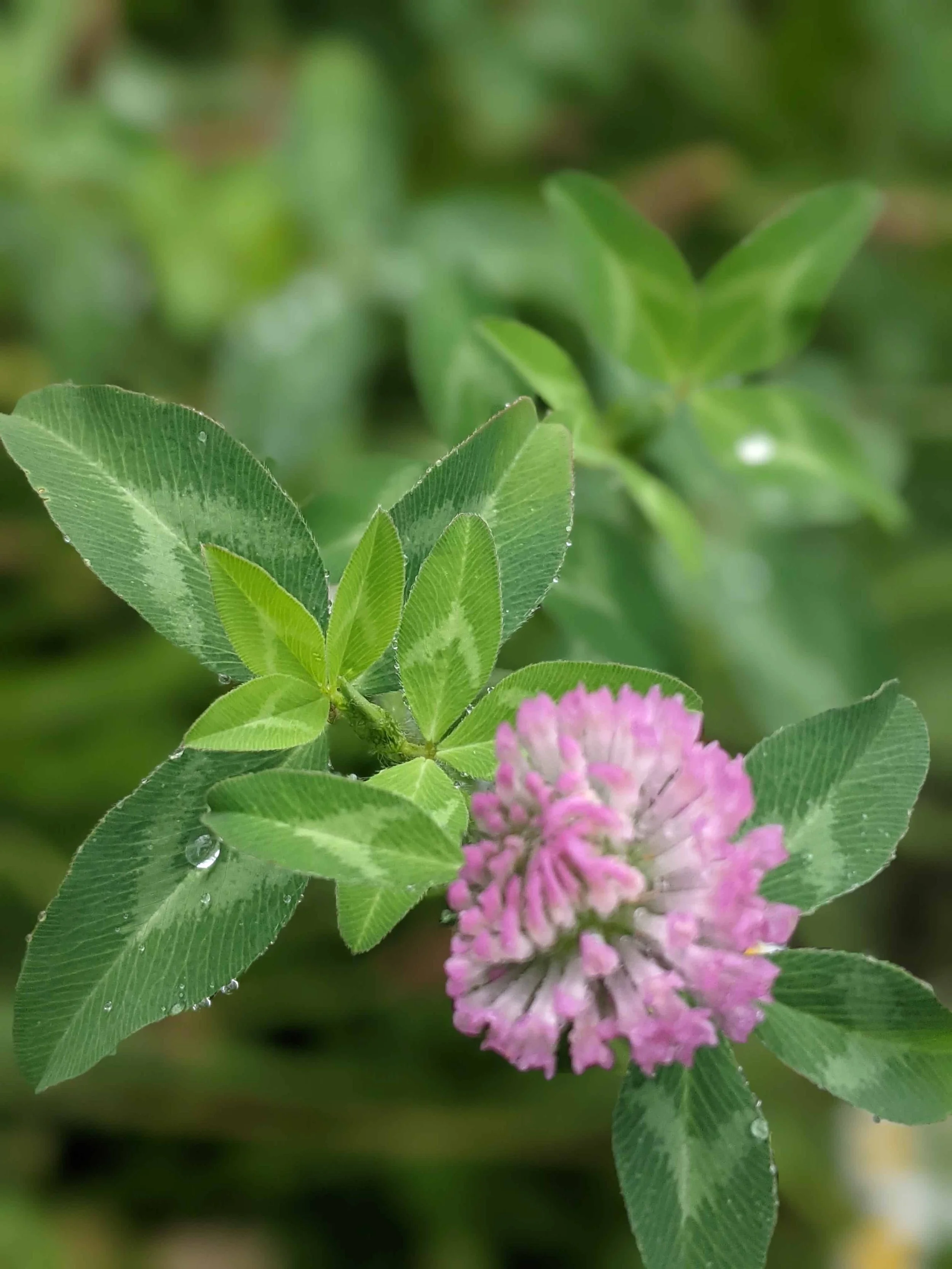
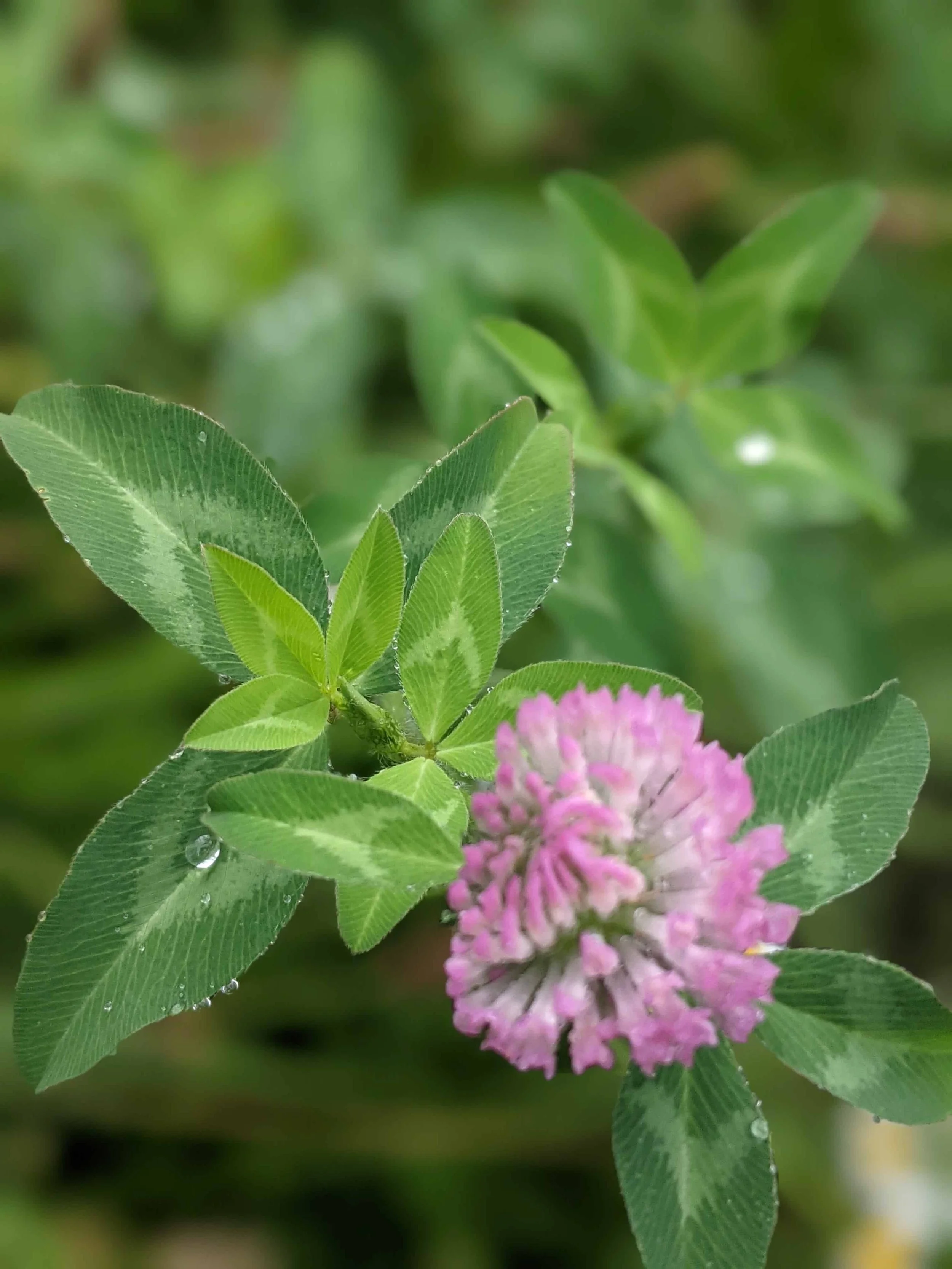
Red clover in the Missouri Herbs garden.
“A single swollen gland may remain for a long time or it may suddenly break open, releasing a trail of noxious materials…” ~ Matthew Wood The book of Herbal Wisdom. Matthew then tells a story of his brother that had a serious fever for 5 months and was incapacitated. The Doctors checked for everything and Matthew and his brother’s naturopath’s attempts didn’t help. His brother shared with him that he honestly thought it stemmed from an impacted wisdom tooth he had as a kid and then a year later a cyst formed in his neck. The cyst was removed but his brother still felt like there was something left in there. Matthew used red clover tincture, the fever cleared up, and his brother returned to a state of health.
Matthew goes on to say that Red Clover has an “affinity to the glands about the neck, under the ears towards the back of the neck.” and that it “tends towards single swollen glands, not numerous swellings, like Cleavers” (see Cleavers below).
Matthew Wood however recommends red clover extract given consistently for about 6 weeks and he recommends 3 drops (in a sip of water) 3 times a day. Some herbalists say 20-30 drops in a sip of water up to 3 times a day. Susun Weed on the other hand, suggests drinking 1-2 quarts of red clover infusion a week source: Susun Weed.
Harvest healthy blossoms in full sun, dry them in the shade, and store them in a glass jar. I harvest in early and late summer; see the caution below about midsummer conditions.
Caution:
During hot, humid summer weather, red clover can host a fungus called Rhizoctonia leguminicola. This fungus produces a mycotoxin called slaframine. When grazing animals like horses or cattle eat the infected clover, slaframine strongly stimulates their salivary glands and animals can begin drooling gallons of saliva within hours of eating the forage. Symptoms usually clear up entirely within 24 to 48 hours once the animal is moved away from the infected clover. So it’s best to not harvest mid-summer blossoms.
“Hemophiliacs or people with “thin” blood should not use red clover regularly, as the herb can exacerbate the condition.” ~ Rosemary Gladstar
“Overconsumption of red clover’s coumarins can lead to a breakdown of red blood cells and increased risk of hemorrhage. Excessive use might increase uterine weight in females who no longer have their ovaries; at least, that’s what happens to sheep.” ~ Susun Weed
When I ran out of my own red clover, I bought Organic red clover extract from the Red Cardinal Store on Etsy and I like it (not a paid endorsement).
“I call it the second chance remedy. The flowers come again. Red Clover is good for people who are not sure whether they want to live or not. It restores the desire to live.”
Calendula (Calendula officinalis)
Calendula: I’ve never worked with this herb for cysts, but some herbalists recommend a tincture of calendula for dealing with numerous cysts. Matthew Wood recommends Calendula for specific types of cysts, particularly those linked to a sluggish lymphatic system.
In The Earthwise Herbal, Wood says calendula stimulates the clearing, moving, and draining of stagnant fluids and is specific for "those places where the sun don't shine". This refers to the deep folds of the body where major lymph nodes reside, such as the armpits, the groin, and the breast tissues.
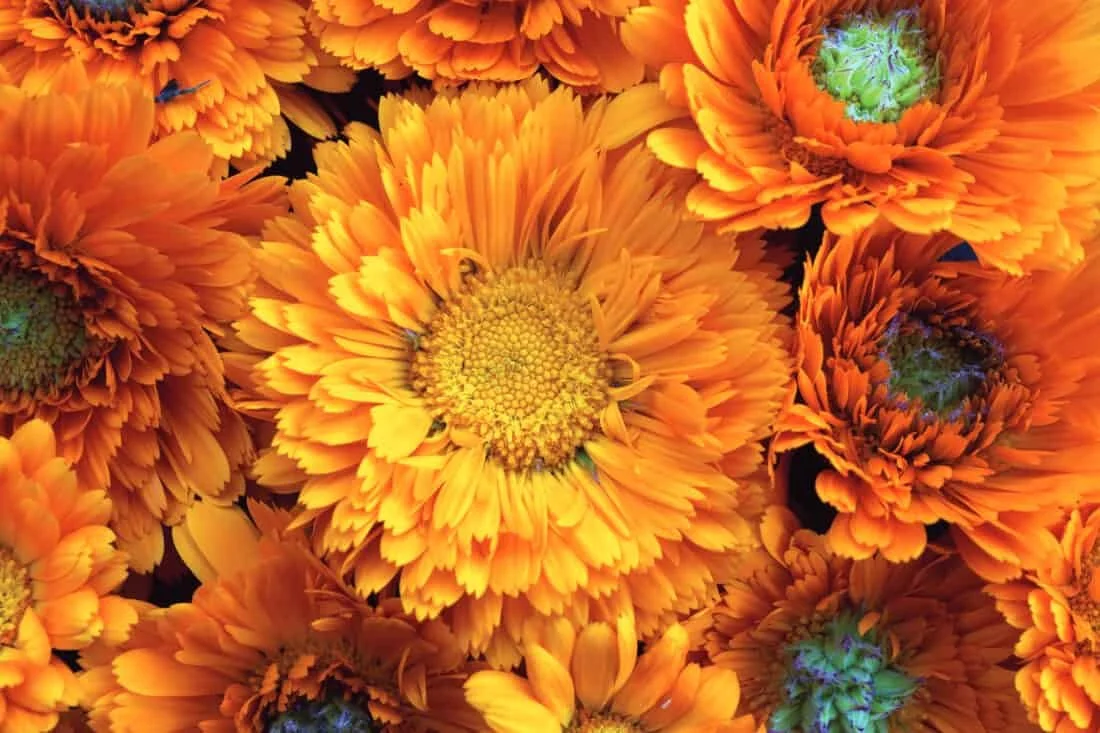
Calendula. Photo by Mother Earth News
Cleavers (Galium aparine)
As mentioned above, cleavers “removes stagnation from the lymphatics and acts on gravely problems from clogged filtering in the kidneys…and promotes transportation within the hidden waterways of the body.” ~ Matthew Wood. Cleavers is good when there are numerous cysts in fibrous breasts. I was using a dropper full daily as some herbalists recommend, but I’ve switched to the M. Wood recommendation of 1-3 drops, 1-3 times a day until the cyst is gone.
Chickweed (Stellaria media)
Chickweed: Matthew Wood says regarding chickweed, "there is no area in the 'alterative' category (liver, lymphatics, endocrine, kidneys, skin, intestine, lungs) that it does not touch." Because it decongests the lymphatic system and regulates the endocrine system, traditional herbalists use it to resolve fluid accumulations, nodules, and benign tumors. Chickweed has a high saponin content and saponins act like natural soaps that emulsify and break down fat molecules and cysts in the tissue. It’s good for fatty lipomas.
As a side note Deb Soule says “Chickweed helps the body absorb nutrients better. It is a safe and nourishing herb for a person of any age to take over several months when weak, chronically tired from overwork and stress, traumatized, anemic or recovering from a long-term illness or surgery.”
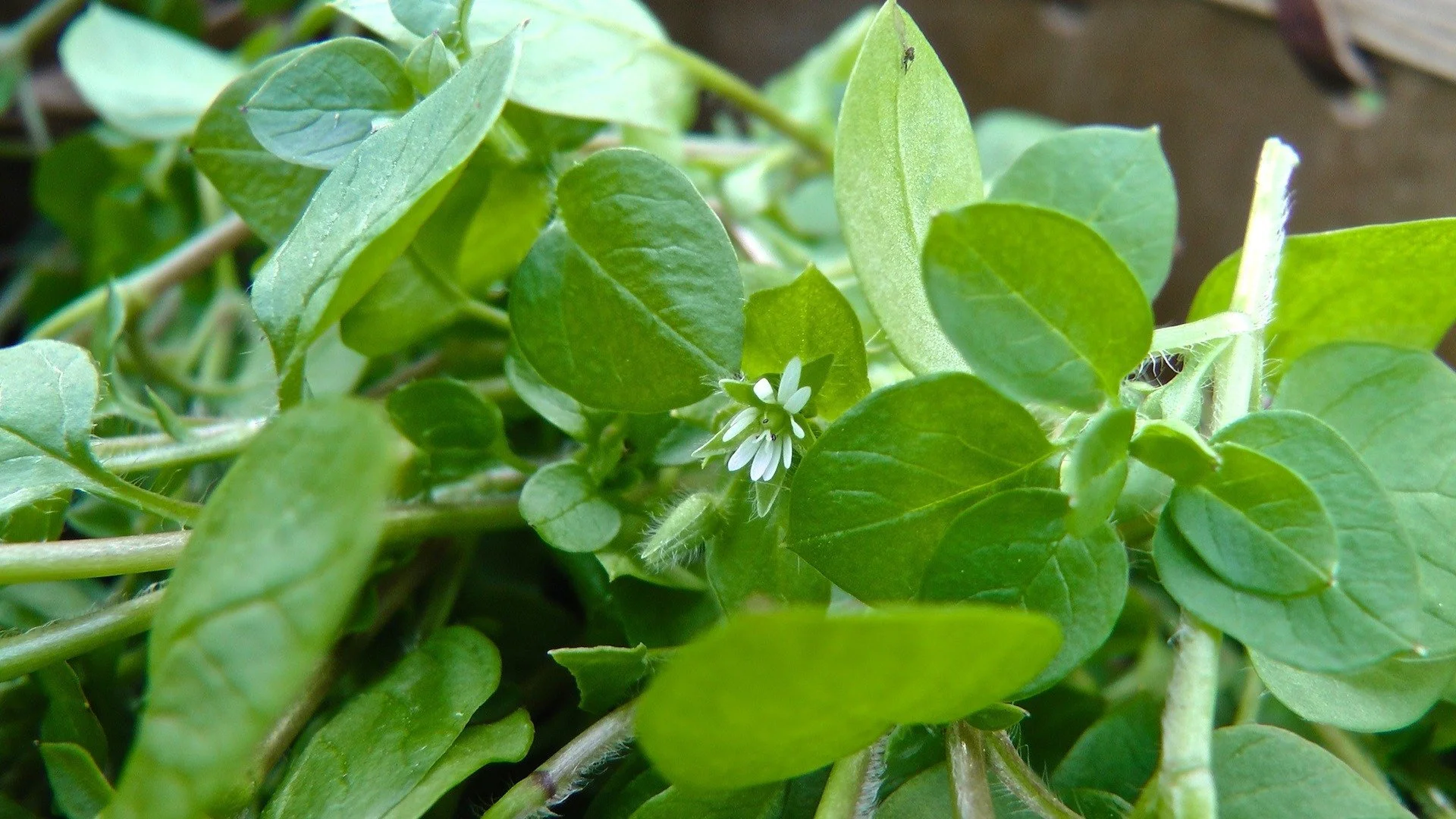
“Old remedy from China: for women with cysts in their breasts (or ovaries): Equal parts flowering tops of chickweed (Stellaria media), motherwort (Leonurus cardiaca), and cronewort/mugwort (Artemisia vulgaris). The dose is 10 drops of tincture of each plant, 3 times a day. That combination has been quite successful for many women, but it works slowly and may take 6-10 months to dissolve some cysts completely.”
Burdock root (Arctium lappa)
Burdock Root can help support your liver, helps the lymphatic system, helps remove metabolic byproducts, and more. It can be eaten cooked, or made into an infusion or extract. If you harvest for yourself, harvest from a toxin free area and in the fall when the top has died back. Otherwise, you can find it at Asian Markets called gobo root. In Traditional Chinese Medicine, burdock is believed to nourish and heal at the deepest levels. It’s also full of minerals, so simmer for at least 20-30 minutes if in a soup. It’s been said that it is safe enough to use for years and can reverse abnormal cellular changes. It’s especially good for cysts with calcifications. Do not peel it though! It’s also great if you have acne, boils, ulcers, breast cancer, or rheumatic joints.
Some herbalists recommend 30 drops a day of tincture 3-8 times a day or 1 cup of infusion a day. You can also make a poultice of it from the freshly grated roots and apply frequently. If you take the root tincture, take it for a few months after the noticeable problem has cleared.
Digitata kelp (Laminaria digitata)
Heavy Metal Binding and Digitata kelp seaweed: Except for religion and politics, not many subjects cause as much debate in the health community as detoxing. Some say the body can detox itself and doesn’t need help, others say when you are in a state of illness the body needs help with this process. Most current research says toxins are not released when a cyst is dissolved, however after mine ruptured and I experienced a severe MCAS event, I don’t know that I believe that. My old teachers taught that a cyst can hold old toxins not processed by the body.
So let’s just say it’s possible the body needs help eliminating toxins, and it’s possible old toxins are released when a cyst ruptures. If you have weak kidneys or a stagnant lymphatic system, give thought to how you can support your body in this.
Digitata kelp is a brown seaweed and one of the primary commercial species harvested for alginate extraction. Algin acts as a powerful sponge in your digestive tract, physically trapping toxic substances so your body can safely excrete them rather than absorbing them into the bloodstream. Alginates possess carboxyl and hydroxyl chemical groups that carry a negative charge. These groups actively attract and lock onto positively charged heavy metals through a process called biosorption. When alginate encounters certain elements in the gut, it cross-links to form a structural hydrogel network. This network physically traps or "cages" heavy metals and chemical toxins inside its structure.
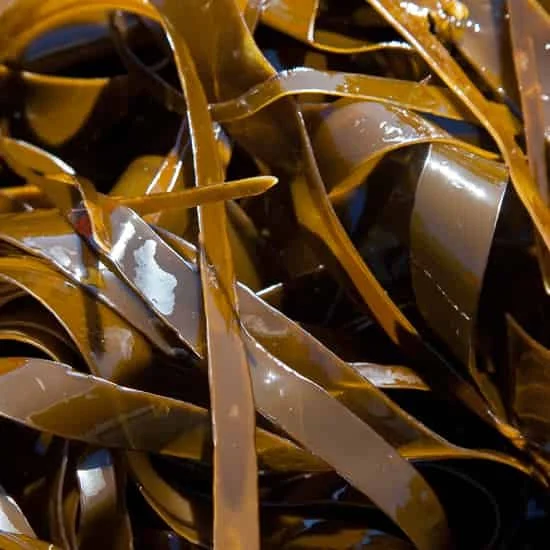
Image by www.theseaweedman.com
If you only cook it for 15 to 20 minutes, the seaweed softens and behaves like a tender green vegetable. However, if you keep simmering it for 1 to 2 hours, the cellular walls of the kelp completely break down, releasing those slippery, viscous alginates directly into your liquid. This “creates a delicious creamy soup stock that the Japanese would call dashi. Just add ginger and tamari. The alginates that are released from the digitata through long cooking are able to bind (chelate) with the large molecules of heavy metals and radioactive isotopes and remove them from the body.” “Digitata supplies iodine to the thyroid and it helps to protect the thyroid against radioactive iodine.”
“Digitata is beyond delicious and makes a really nice creamy soup that fills a hole in your body even your ancestors can feel. It’s hard to explain how satiating this is, beyond anything else I’ve ever eaten. It sends long-lasting satiety signals to your brain.”
Seaweeds are also very remineralizing. They are packed with a dense spectrum of trace minerals, amino acids, and nutrients that are incredibly rare in modern, depleted topsoil crops. When your body absorbs that rare, deep-ocean nutritional profile, it satisfies a cellular hunger that modern processed food can't touch.
Because human digestive enzymes cannot break down alginate fibers, the gel matrix—along with the bound toxins—passes entirely through the digestive tract and is eliminated in your stool
Brown seaweeds can accumulate contaminants from their growing waters, including heavy metals. There is only ONE seaweed harvester I trust and that is Larch Hanson, often known as "The Seaweed Man”. He is a veteran wild seaweed harvester and the founder of Maine Seaweed LLC based in Steuben, Maine. For over four decades, he has sustainably hand-harvested Atlantic sea vegetables for food, medicine, and fertilizer in the cold, clean waters of Gouldsboro Bay. He uses handmade wooden boats and wetsuits, often heading out early in the morning to hand-gather rockweed and kelp from turbulent coastal waters. He focuses on low-impact, sustainable wild foraging with deep ecological respect for the ocean. I’m just a huge fan, not a paid or trade testimonial.

Larch Hanson harvesting seaweed by hand the traditional way. He is a deeply aligned, radiant, magical being!
WARNING:
Though eating this seaweed has a tendency to fill a hole in you that satisfies even your ancestors, extreme iodine overload can disrupt thyroid function. Excess amounts not used by the thyroid leave the body fully in a few weeks. Hypothyroidism: Excess iodine can trigger a protective mechanism in the thyroid that shuts down hormone production, leading to an underactive thyroid (fatigue, weight gain, and cold sensitivity).
Overdoing it with seaweed can also lead to Hyperthyroidism: An excessive iodine load can overstimulate the gland, causing it to produce too much thyroid hormone, which leads to rapid heart rate, tremors, and anxiety.
Keep intake small, around 3-5 grams per day or limit consumption to a few times a week rather than every single day. Every few weeks, stop consuming for a few weeks before starting again. Seaweed can provide a great deal of iodine, and its iodine content varies. I keep my servings small and take breaks. People with thyroid conditions or medications should check the amount and discuss regular use with their care provider.
Dandelion root (Taraxacum officinale)
Dandelion Root: I have not used dandelion root for cysts, but from what I’ve read, it is very helpful for them and for lumpy breasts, growths, and abnormal cells. Some recommended 5-15 drops of fresh root tincture internally daily and M. Wood would generally recommend 1-3 drops at 1-3 times a day. Keep in mind dandelion can be too drying for some people.
“Dandelion aids liver metabolism, the digestive tract, colon, and urinary tract. All connected to channels of elimination. Dandelion is also nutritive and gentle.”
Dandelion root helps with liver health and is cooling and draining. So it’s great for hot damp conditions that the liver is prone to. It helps not only the liver, but the gall bladder. When dealing with cysts, it’s good to help the liver and the lymph.
Vitamin E
Vitamin E, as mentioned above, has been used to reduce breast pain caused by cysts. D-Alpha-Tocopherol is derived from natural sources, whereas DL-Alpha-Tocopherol is manufactured using petrochemical processes, is roughly half as effective as the natural form, and is filtered out by the liver and excreted rapidly.
Warning: Vitamin E has blood-thinning effects; avoid high doses without a doctor's supervision if you take anticoagulant medications. Do not take 2-4 weeks before a scheduled surgery, and Vitamin E may decrease the efficacy of certain cancer treatments by protecting cancer cells from oxidative therapy damage. The upper limit for breast cysts is generally 400 - 800 IU. Discuss supplements with your care provider before surgery or during cancer treatment.
Motherwort (Leonurus cardiaca)
For cysts caused by hormone imbalances, motherwort helps indirectly by calming the nervous system, reducing stress hormones, and physically regulating blood flow to the reproductive organs. Emerging research shows that active compounds in motherwort have binding pathways that interact with estrogen receptors (ESR1) and androgen receptors (AR). This suggests a scientific mechanism behind its traditional use in smoothing out hormonal peaks and valleys. Avoid during pregnancy and be cautious combining it with sedatives or heart medications, as it naturally lowers heart rate and blood pressure.
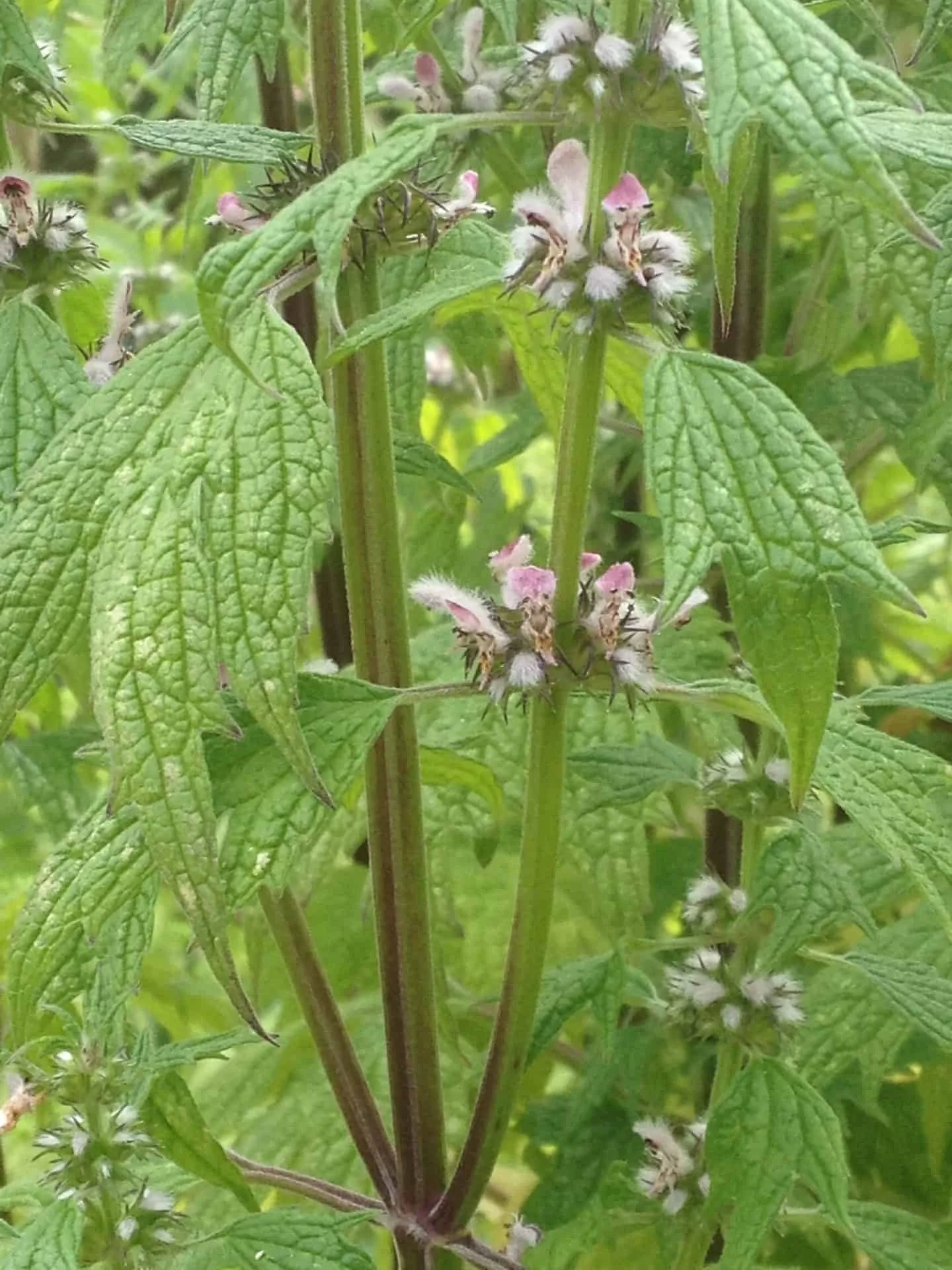
Motherwort
Motherwort triggers the bitter reflex: When motherwort's bitter compounds hit the taste buds, they stimulate the vagus nerve. This reflex tells the brain to prime the digestive tract, triggering the release of saliva, stomach acid, bile, and digestive enzymes. Motherwort is a great digestive bitter, supports the liver, helps assimilate fats easier, and is good for detoxification. You can read more about it in this link.
Funny story about Motherwort, I was giving a plant walk and the plant was beautiful in full bloom. I talked about it being a bitter and invited any who wanted to try to chew a leaf. One man tried it and his face contorted, his eyes squeezed tightly shut, and after a moment of what looked like intense negotiations between him and his tongue, he stammered, “Can… I… have another one?” His tongue clearly voted no, but apparently it had been overruled. I’ve also had the experience after eating a leaf of having a lovely abdominal “gurgle” almost immediately.
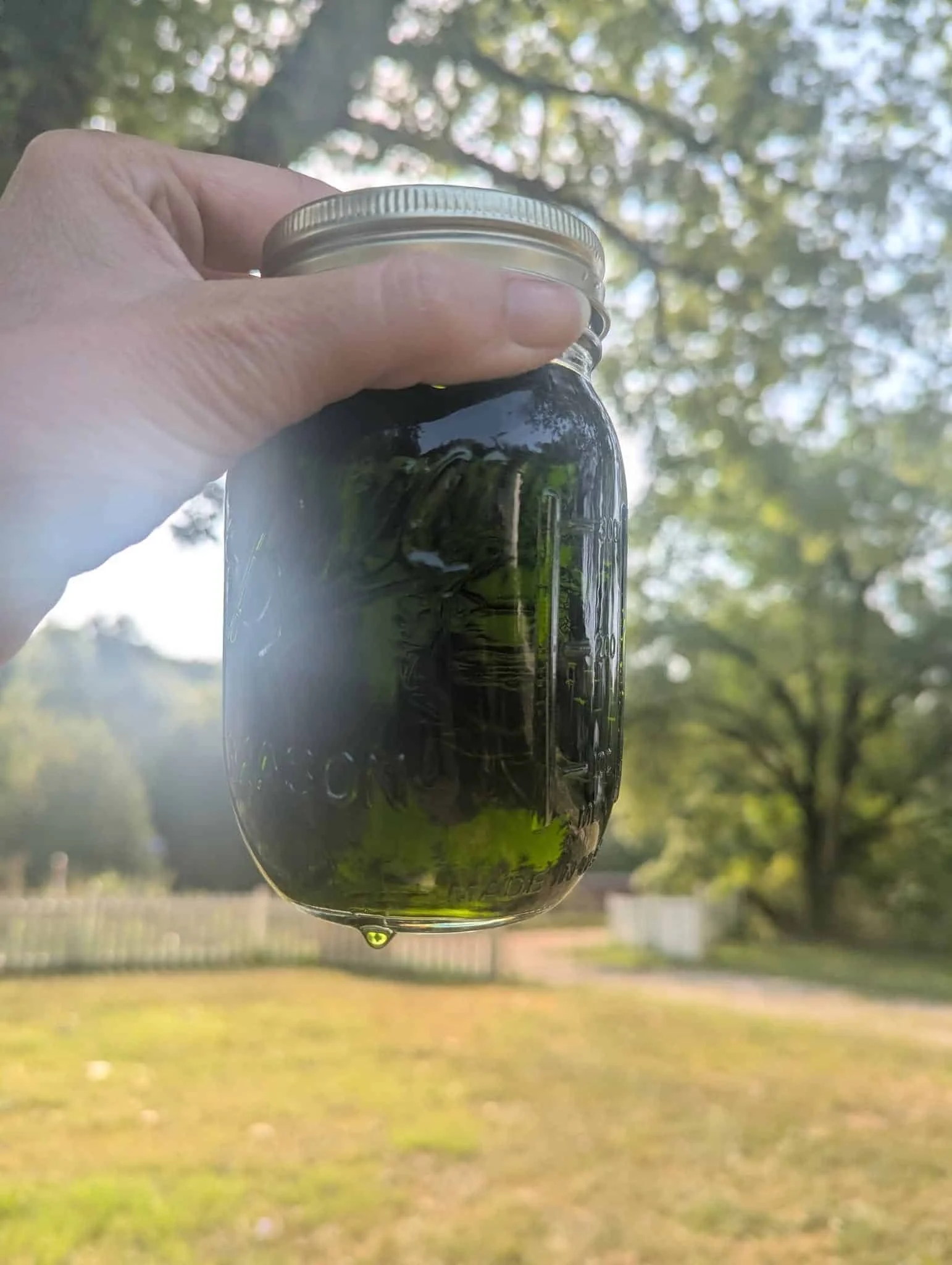
Motherwort extract by Missouri Herbs. The color is SO green!
Easter lily (Lilium longiflorum)
Easter Lilly: While I’ve never worked with this herb, Matthew Wood recommends it for the fibro-cystic condition of the breasts, cysts in the ovaries and under the skin, and menstrual problems. He says it “is a virtual specific for cysts.” He also goes on to say that it’s not an appropriate remedy for fibroids (which is not the same as fibro-cystic breasts).
Warning: can facilitate birth when pregnant. It does not have an affinity for lipomas or “fatty” tumors. For fatty tumors, see chickweed.
Pine resin (Pinus spp.)
Pine resin: Several herbalists discuss applying it to visible, surface-level cysts. I have not tried it for cysts. Pine can cause a skin reaction, so patch testing matters.
6. CAFFEINE & REGULARITY, ENERGY, AND FOCUS.
If you have breast cysts, stay away from caffeine. Eliminate all methylxanthines found in coffee, tea, and chocolate. True tea is made from Camellia sinensis (black, green, white, yellow, and oolong varieties). Herbal “teas” not made from the plant are actually a tisane. Decaf tea has undergone a commercial extraction process (such as using carbon dioxide or liquid solvents) to strip away the caffeine. However, these methods cannot remove 100% of it. A standard cup of decaf black or green tea still contains about 2 to 8 milligrams of caffeine. Caffeine-Free is a term reserved for beverages that never contained caffeine to begin with. This applies strictly to herbal tisanes (like peppermint, chamomile, or rooibos).
If you need something to help keep your bowels regular, investigate skullcap tincture. You can take 5-20 drops a day. Combined with a clover-mint infusion can help get your bowels moving.
If you need help concentrating, lion's mane is the most heavily researched mushroom for brain health and stimulates the production of Nerve Growth Factor and Brain-Derived Neurotrophic Factor. Users typically report improved focus, processing speed, and memory recall.
If you need help with energy, cordyceps mushrooms increase the body's production of ATP (adenosine triphosphate), which is the primary source of cellular energy. It fights mental fatigue, giving you a sharp, clean surge of physical and mental stamina without the jittery crash of high caffeine. It is excellent for deep, sustained focus during long study or work sessions. All of these can be taken in tincture form.
7. MOVEMENT, MASSAGE & BRUSHING
Lymph requires movement to circulate. The lymphatic system has no pump of its own and is a passive, one-way drainage network that relies entirely on external forces to squeeze fluid through its vessels. Movement is a foundation of health and moving lymph fluid even circulates white blood cells (lymphocytes) throughout the body to defend against pathogens. Drink all the water you want, but without movement, the fluid can start pooling in your body, leading to stagnation, puffiness, and swollen ankles.
Our ancestors didn’t have to parcel their lives out so much and then not be able to find time to do what needed to be done. Their life was movement for work and movement for part of their core spiritual practice, they danced, shook, bounced, stamped their feet, and swayed. Stretching is a rewarding practice in the evening after a hard day and rebounding is a fun bouncy way to get things moving.
Qigong has a movement commonly translated as "Clicking the Heels to Cure One Hundred Illnesses" or "Shaking the Back to Dispel All Illnesses." You rise all the way up onto your toes, hold for a moment, and then drop your weight deliberately so your heels hit the floor with a firm, vibrating bump. This heel-drop acts as a mechanical pump for the lymphatic system and stimulates bone density.
If you are doing a continuous, rhythmic bouncing movement where your feet stay mostly on the floor but your heels stamp up and down rapidly to make your whole body shake, this belongs to the category of Dou Gong (Shaking Qigong). It is widely used as a medical Qigong warm-up to clear the lymphatic system and release physical and emotional tension.

The movement art of Qigong. Image by Qigong Awareness.
Lymphatic massage is a great technique to target the lymph system and can be done easily at home. There are some great videos here.
Lymphatic Brushing is a 3,000 year old ancient holistic therapy that involves lightly massaging dry skin with a natural-bristle brush, specialized gloves, or cloth. The practice has been used across multiple continents to stimulate fluid movement, promote cellular detoxification, and keep the skin clear.
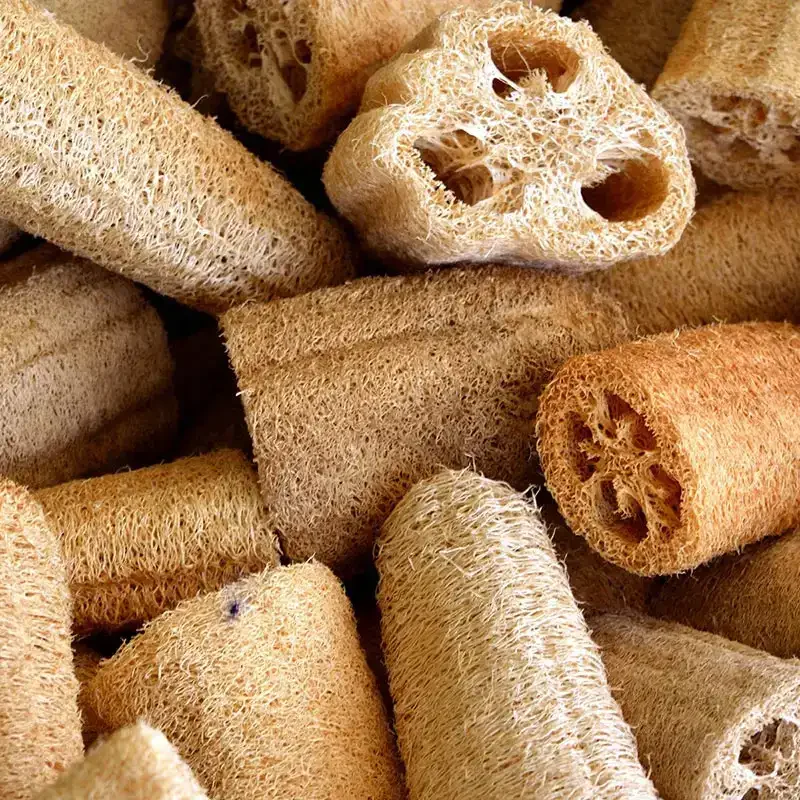
I use dried luffa gourds for brushing. Image by Gurney seeds.
8. IS THIS REAL OR PLACEBO?
After seeing a heavily advertised poke root castor oil video without precautions, it made me think of a parent giving a child a lighter and kindling without talking to them about fire safety. Fire can cook and warm, but it can also burn and destroy. I decided to do this write-up about cysts, poke root, and other protocols. I wanted to include the research from the medical community as well as the historical experience of herbalists, and to include guidelines and precautions. There is a huge disconnect between what scientists say is possible and the experiences from users and teachers, and I wanted to document that.
For the last couple of months, I’ve pulled all my herbal books and 20 years of notes out and did a lot of online research about cysts and poke. I’ve macerated myself in the AI-regurgitated slop of the anti-poke community, and some of the research says neither poke root nor castor oil in a salve can penetrate deeply enough to be effective for a breast cyst.
So if the molecules of the castor oil or herbs in a salve can’t penetrate that deeply, what then is having an effect on this tissue? Both camps are intelligent, observant, methodical researchers and healers. I think the researchers need to broaden their perspective and give some weight to testimonials. Causation is not correlation and because one molecule doesn’t physically touch another molecule, does that mean they don’t affect each other?
Back to the fire example, think about Moxa sticks. They are a cigar shaped roll made of dried mugwort and are used to apply targeted gentle heat to acupuncture points. I’ve used them for relief for my sore thumb. The tip of the stick is glowing red and hot, it never physically touches the skin, but the heat has an effect on the area.
Let's say the actual castor oil molecule doesn’t touch the cyst, the New York Times even did a piece “debunking” castor oil. So what if something else is happening? Something the researchers aren’t measuring. They state that the primary compound in castor oil, ricinoleic acid, is an excellent emollient, but the skin barrier prevents large quantities of it from passing completely through the dermis, subcutaneous fat, and into deep breast tissue.
Let’s look at thousands of testimonials saying it affects cysts. What is going on? It’s not a placebo effect; cysts and lipomas shrink or disappear, and as I mentioned, mine even ruptured when I over did it. I’ve also personally experienced cysts disappearing, received hundreds of testimonials about the same, and seen lipomas vanish in days or weeks. Perhaps it’s like a direct energy wave and signals or triggers deep healing in the body?
The dermis is tightly packed with microscopic blood vessels called capillaries. Some larger molecules are picked up by lymphatic capillaries instead of blood vessels. The small, volatile, and highly lipophilic (fat-soluble) molecules enter the blood capillaries. Larger, heavier lipid structures, such as the carrier oils used to make salves (e.g., olive oil, sunflower seed oil, coconut oil), enter the lymphatic capillaries. So it’s not too big of a leap that this absorption moves the material where it needs to go.
At an energetic level, it’s not too big of a leap that topical application of castor oil or poke root will call the energy of the body to that area. You feel it in the warmth after application.
9. MY PERSONAL EXPERIENCE WITH AN OLD CYST
Though I’ve been making poke root castor salve for about 15 years, there is one cyst I’ve never fully tackled. It's big, calcified, and tied to a trauma I wasn’t ready to process. It formed over a spot where “lightning” struck my chest when I heard the news of my brother’s death. Over the years when the cyst has gotten too painful, I’ll do a castor pack to take the pressure off of it, but I wasn't ready to let it go. I decided in the last 6 months or so to get rid of this thing, it’s time.
Since the dawn of AI summaries, everything I’ve read online says you can’t get rid of calcified cysts, period. They say they have to be surgically removed or aspirated. But I want to share my experience on using herbs to get rid of mine and why sometimes going slow is a good option.
I’ve been struggling with some typical post menopausal symptoms and started brewing red clover infusion and doing intermittent fasting. I reduced the load on my digestion and took a good look at everything I was eating. I had a dream about oblong tissue that was red and had ruptured. I frequently have dreams about my internal state so I paid close attention to what this dream was trying to tell me.
I started drinking a quart a day of red clover infusion about 3-4 times a week, and did that for a few weeks. This old cyst was becoming more and more painful every day to the point I was starting to really get worried. I decided to finally deal with it and went way overboard on poke root oil castor packs everyday for about 3 days and wow, something “bad” happened. I have to admit that I didn’t use a little poke salve or a layer of poke infused castor oil and then add a castor pack on top of that, as I recommend to people. Nope, I used just straight poke root infused castor oil for my castor packs. I stopped the castor packs and didn’t say a word to anyone about how bad the pain was.
I continued on the red clover infusion until I ran out and just waited for everything to calm down. It didn’t calm down. We were travelling and I had a dream about marigolds. All I had with me for reading material was Matthew Wood’s book “The book of Herbal Wisdom” so I looked up marigolds and there was nothing, but then I noticed mastitis. I felt compelled to read that section and he told of an Australian Herbalist and naturopath who had been fasting and taking red clover tea dealing with what she thought was old scar tissue from severe mastitis 16 years prior. This old hard lump she had “swelled up, became quite red and painful, and she realized that it was not scar tissue per se, but an encysted gland. She added some detoxifying herbs like Burdock… and the lump faded away.”
I made myself sick to my stomach by overdoing the poke root castor oil and even long after I stopped using it, my stomach hurt in a different way. I felt bad all over and it felt like I had released a toxic load into my system. I met with a naturopath who modified my protocol from the higher dose of red clover extract to Matthew’s 3 drops a few times a day. I also started on a little bit of seaweed to help with the toxic load and a few of the other protocols I mention above. I am much better now. The cyst has reduced in size quite a bit and my nausea and other pain is gone. I’m hoping in the next few months this will all be gone and at the rate it’s going, I think it will be. Other cysts have vanished pretty quickly using these methods.
I have successfully gotten rid of cysts before using just poke root cast oil, but this internal protocol we’ve added as well is a much more holistic approach.
Help me improve this article: If you notice an error or have an experience to share, please email me at missouriherbs@gmail.com.
9. BOOKS AND FURTHER READING
While I have a library full of great books about herbalism, my favorite is Matthew Wood’s “The Book of Herbal Wisdom” and if you want to go down the cyst rabbit hole, this is where I would start. He also has a lot of great info in his two-volume encyclopedia The Earthwise Herbal: A Complete Guide to Old World Medicinal Plants.
In addition, Learning Herbs is an amazing website co-founded by John Gallagher. He is dearly missed.
Another great one is 7song’s herbal database .
Please let me know if there are errors or additions you would like to make! Thank you for reading this tome ~ Jamie, The Poke Root Lady